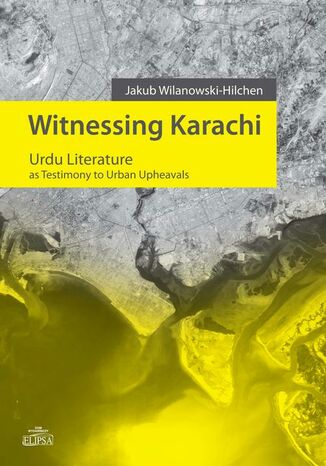
The 1990s were a particularly violent decade in the history of Karachi. Political, ethnic and religious conflicts, as well as a number of security operations, ravaged the city, which in the middle of the decade turned into an urban quasi-war zone.
This study is an attempt to provide a glimpse into the life of this conflict-torn city from an inside perspective, through an analysis of the literary representations of the city's upheaval in contemporary Urdu literature. The conflicts and violence of the said period provoked a fairly limited immediate literary response, which made it possible to include all of it - as far as the author is aware - in this study.
The works analysed here include a novel, two collections of short stories and a collection of poems, written and published in 1995 and 1996, i.e. The implicit aim of these works was to provide a literary testimony to what was happening in the city, and for that reason they are analysed within the theoretical framework of witness literature, a mixed-origin genre that emerged around the 1940s and 1950s, aiming to give testimony to the various collective traumas of the twentieth century through the means of literary fiction.